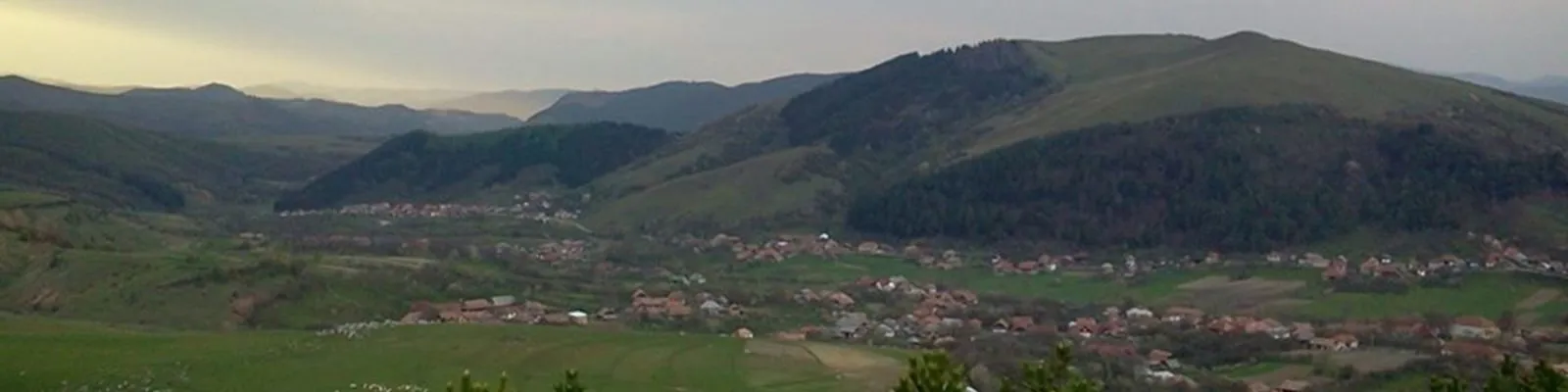
The Vlădeasa Massif
 Morlaca lies at the eastern foot of the outlying ridges of the Vlădeasa Massif. The Vlădeasa Massif is a mountain group of the Apuseni Mountains. Its highest summit is Vlădeasa Peak, at an altitude of 1,836 m.
Although it does not reach very great heights, the Vlădeasa Massif is divided by the valleys of the Drăgan and the Henț into three large sections: the western part, between Iada and Drăgan (with altitudes of over 1,400 m), the central part, bounded by Valea Drăganului (the Drăgan Valley) and Săcuieu (with altitudes between 1,600 and 1,800 m) and the eastern part, lying between the Săcuieu Valley and the Huedin Depression (the gentlest ridge of them all).
Why is it worth seeing?
The area is of rare beauty, and its main tourist attractions are:
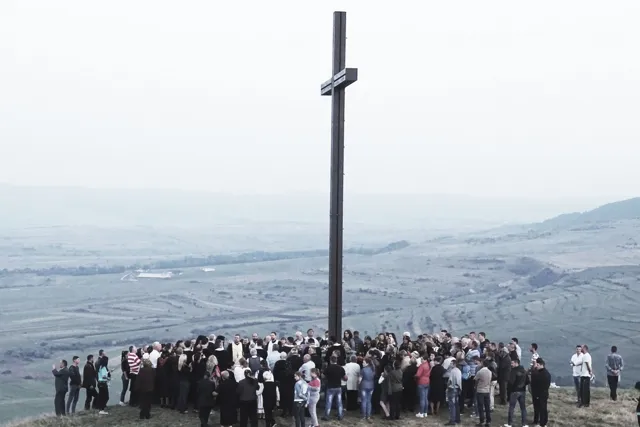
- Dealul Domnului (the Lord's Hill), home to rare tree species such as black pine, sequoia and larch;
- the Ordângușa stream;
- Rogojel with the Alunișului Valley;
- Valea Drăganului with the Drăgan Dam, the springs of the Drăgan Valley and the Moara Dracului (Devil's Mill) Waterfall;
- Valea Iadului with the rock walls of the Remeți area, the Iadolina and Săritoarea Ieduțului waterfalls, the Leșu Dam and the Leșu Valley;
- the Răchițele Waterfall circuit in Vlădeasa;
- the Vlădeasa Massif circuit (chalet - peak - Pietrele Albe - chalet).
Getting there: by car, by public transport (bus, train)
By car: From the east, from Huedin, you can take the paved road Huedin – Sâncrai – Călata – Răchițele. From the north, access is along the Săcuieu, Drăgan and Iad valleys, and from the west, from Beiuș towards Stâna de Vale. By bus: From the Huedin bus station there is a service almost every day to Rogojel, from where you can walk to the Vlădeasa chalet. In the Iad Valley there is a daily bus service as far as the Leșu Motel. By train: The stations closest to the massif are Valea Drăganului and Bologa. From there, follow the tourist trail markings.
0 comments